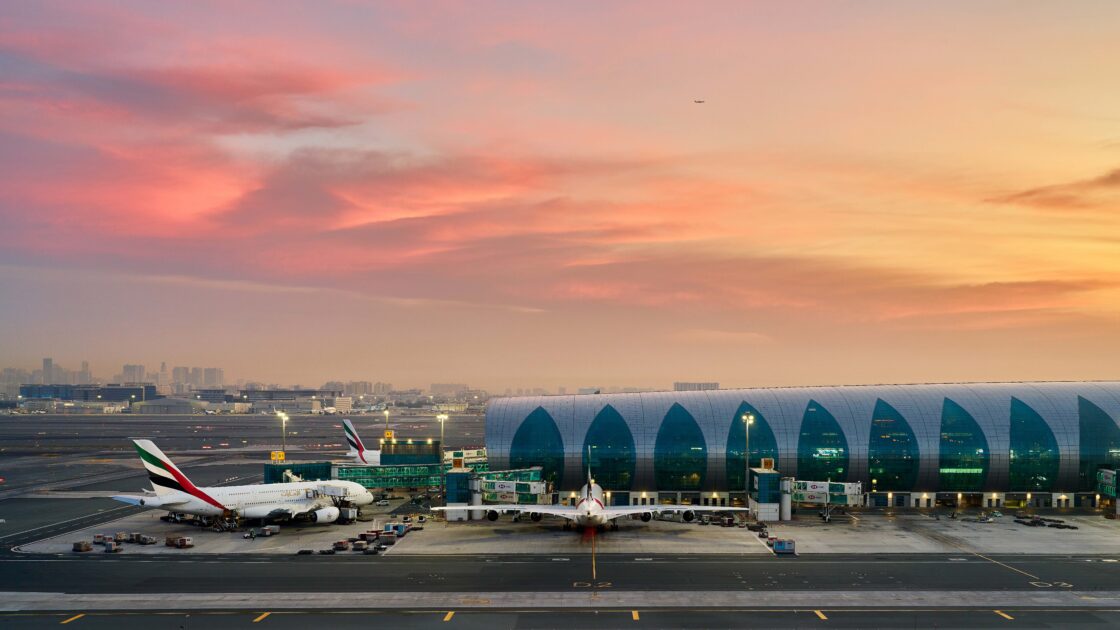
How the Iran War has hit commercial aviation
The Iran War, which began February 28, has had an instant and seismic impact on global aviation. Let’s unpack this. The top impacts are:
A direct hit to Dubai and Gulf countries’ air traffic. In the opening weeks, a mass evacuation took place as the UAE became part of the warzone. Within days and weeks, inbound air travel shrivelled up in the region, and airspace restrictions came into force.
Longhaul airlines began to switch their fleets and resources to other longhaul markets in Asia and other destinations. Dubai was no longer viable as a commercial hub with airspace restrictions and shrinking connectivity.
As the war progressed, and the straits of Hormuz began to be affected, and the volatility of the region escalated, oil prices rose. In response airlines began to add fuel surcharges and increase fares.
And as the Straits of Hormuz began to shutdown, jetfuel supplies were affected. Asia in particular suffered due to its reliance for fuel on the Strait, and airlines there began to cut routes.
European airlines, also largely dependent for their jetfuel from refineries in the Strait, also started to plan accordingly, not only with increased airfares but cutting routes too.
April 17, The Strait of Hormuz opened, reducing oil prices, but with closure within 24 hours, came increasing uncertainty for jet fuel supply.
Some airports have already reduced supply, notably in northern Italy. Messaging from the top, from governments and regulatory bodies has been sanguine, claiming stability and resilience in the event of pending shortages. However some airlines themselves have announced contingency planning for fuel shortages involving fuel surcharges on airfares and a reduced route network.
What next?
Escalating air fares and lower seat capacity in the peak summer season
A gradual reopening of the Gulf countries, starting with Qatar which has already opened its airspace.
Reconfiguring of global travel trends concentrated around markets such as Asia Pacific and India. Australia in particular will seek other transit options to Europe and North America.
Repositioning of international gateways to other major hubs such as Kuala Lumpur in Malaysia and Hong Kong, until and if Dubai regains momentum.
Potential consolidation or collapse of some carriers as they struggle with thinner profit margins and higher operating costs
(Sally Gethin provides comment and analysis for most major broadcasters in the UK, Europe and the Gulf Region. She is also a public speaker and moderator at conferences and events. She produced and presented the BBC Radio documentary ‘Welsh Dragons of the Battle of Britain’ (2025).
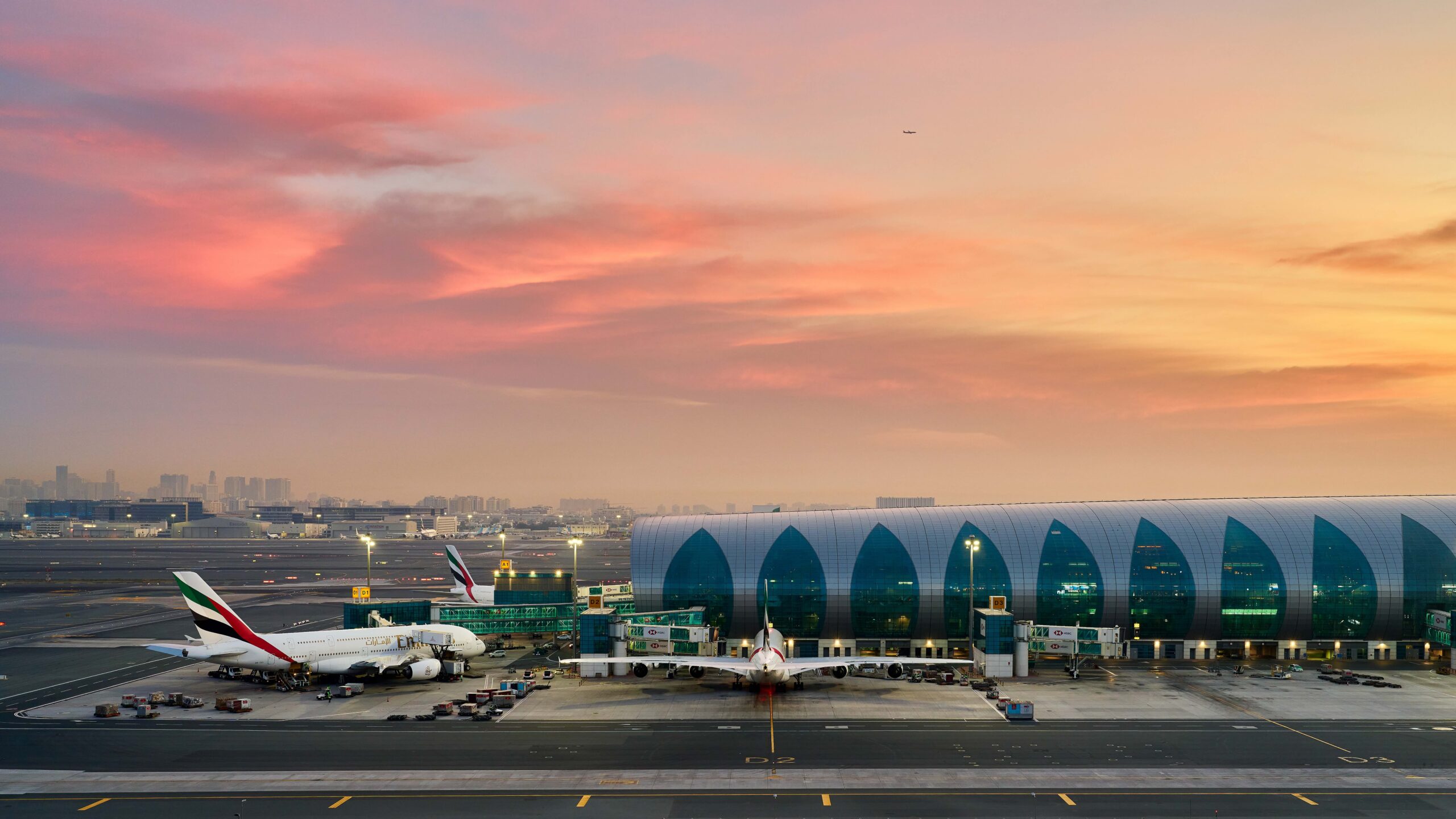
Dubai Airport